Photo: Guswib
Writer: Eko “Wustuk” Prabowo
Listen to the album here: https://bfan.link/renjana-dialogdinihari
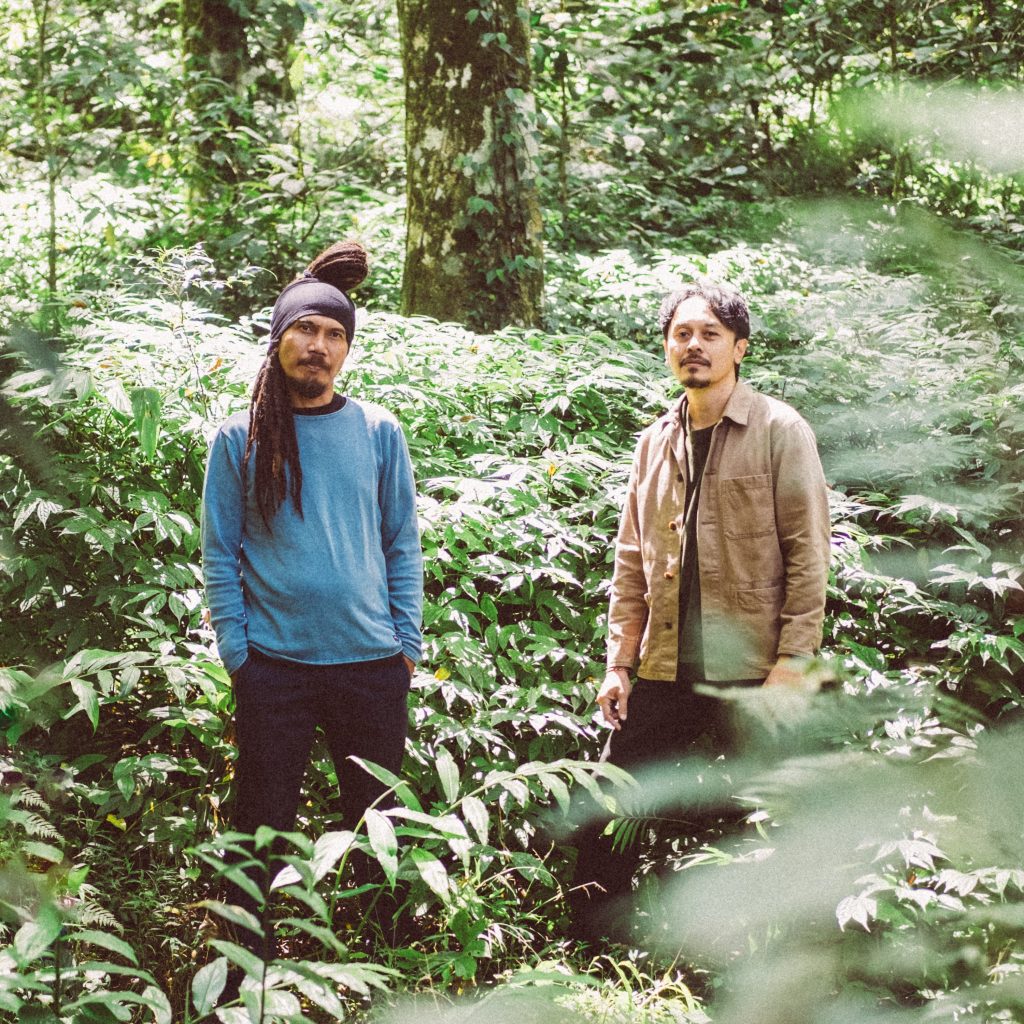
Dialog Dini Hari (DDH) has long been known for its dynamic and almost mystical blend of Pohon Tua’s guitar and Denny Surya’s agile percussion. Together, they create a unique emotional tapestry, producing many beautiful songs that resonate deeply within listeners’ hearts. Unbeknownst to them, DDH’s music lingers in their minds, becoming intertwined with their awareness as they navigate life’s challenges. This connection is made possible by the thoughtful themes and literary quality of the lyrics crafted by Pohon Tua.
Today, with their latest album titled “Renjana,” DDH reinforces this identity. Every song is crafted with intention, not merely to entertain or attract attention. Each track features exquisite musical arrangements that explore themes of self-awareness and the current state of the nation. It seems nothing escapes DDH’s keen observation as they distill life into music that captures the essence of our times.
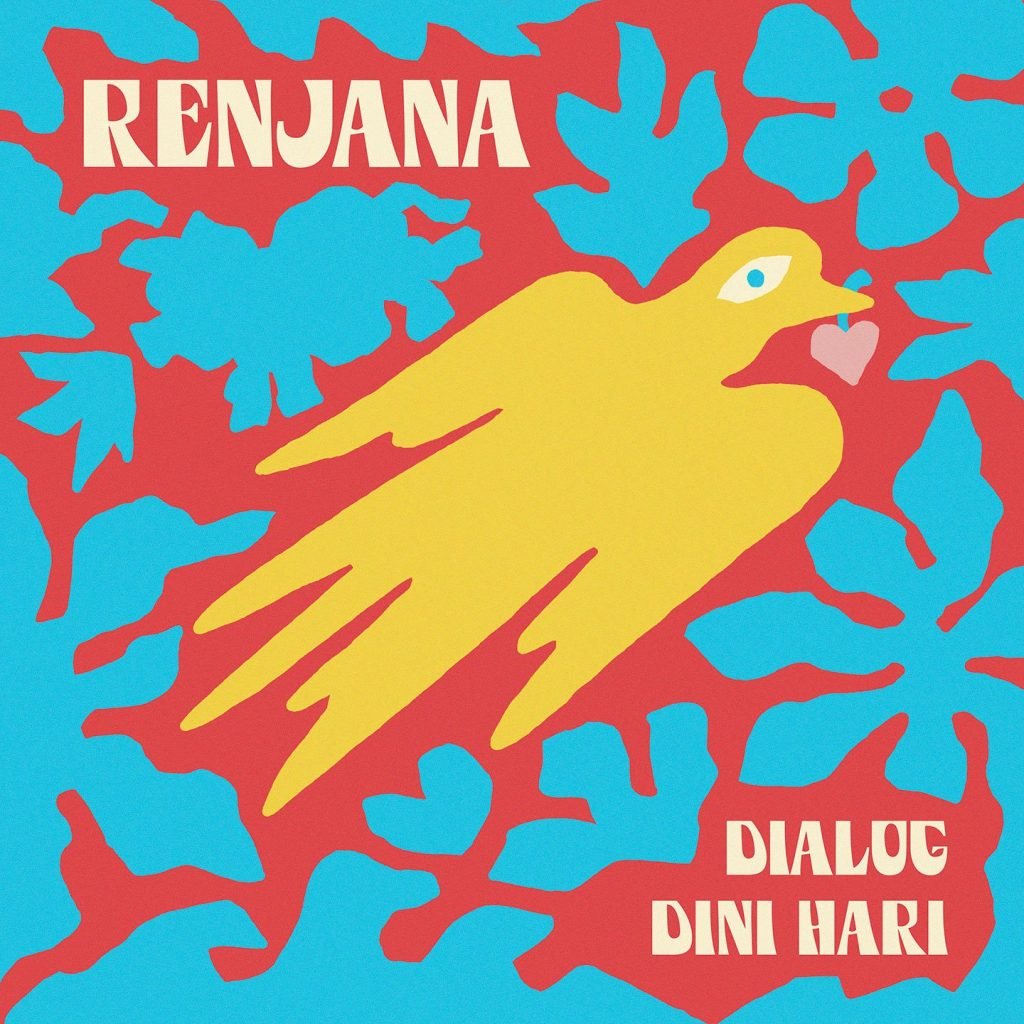
Artwork: Pansaka
Old and New Songs Unite in a Fresh Format
Renjana features 11 tracks, listed as follows: “Adab,” “Teruntuk Bahagia,” “Merpati,” “Nurani,” “When We Were Young,” “Atas Nama Rakyat Bukan untuk Rakyat,” “Durja,” “Beranilah Melawan,” “Kita dan Dunia,” “Pohon Tua Bersandar,” and “Miles Away.”
Not all tracks are new; some are re-arranged versions of older songs. For instance, “Kita dan Dunia” was a wedding gift for Saylow, who now has the responsibility of managing DDH. “Teruntuk Bahagia” is a song inspired by a book of the same name, which tells the story of a yoga and ballet practitioner named Lisa Samadikun. “Pohon Tua Bersandar” served as the foundation for a lyrical prose book titled “Dua Senja Pohon Tua,” both written by Eko “Wustuk” Prabowo and published by Edraflo.
Since Brozio’s departure, DDH is now primarily led by Pohon Tua and Denny Surya, supported by Kristian Dharma (bass and synthesizer) and Awenghimawan (banjo). This new album also features contributions from musicians such as Wilis Permadi (cello), Rivelino Ismaya (accordion and Uilleann pipes), and Stella Paulina (Irish flute). Background vocalists include Lyta Lautner, Jascha Riri, Sydney Barnett, Enzi Rozi, and Rico Mahesi.
All songs on the “Renjana” album are written by DDH, including the lyrics, except for “When We Were Young,” which includes contributions from Elisa Wettstein. The recording, mixing, and mastering took place at several studios, spanning locations from Denpasar, Ubud, Los Angeles, to Texas.
The album, featuring artwork by Pansaka, is produced under the Rain Dogs Records label.
Addressing Social Concerns
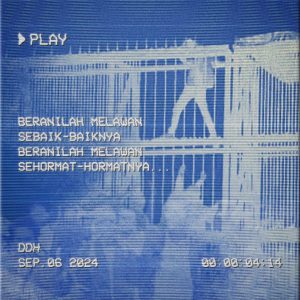
Opening with “Adab,” it is evident that DDH is deeply troubled by the current social climate. This concern intensifies with the tracks “Atas Nama Rakyat Bukan untuk Rakyat” and “Beranilah Melawan.” Through arrangements infused with a slightly psychedelic Nordic folk vibe, they gracefully express that our nation is facing significant challenges. Self-interest prevails, and collective indifference spreads. Those in power oppress while claiming to be saviors. People are compelled to work to exhaustion for meager wages. They are hungry, thirsty, and struggling.
These three songs solidify DDH’s role as genuine artists. They do not turn a blind eye to their surroundings; instead, they immerse themselves in the suffering around them and channel it into their work. Their songs serve as vehicles for important messages, inviting listeners to live with awareness. In many ways, these tracks could be considered beautiful musical journalism—deeply humanistic.
Suffering Is Not the End
However, DDH’s devoted fans recognize that it is the songs that delve into the soul that truly captivate them. In “Renjana,” DDH masterfully presents this experience. It’s incredibly immersive.
Take “Nurani,” for example. This song introduces a new sound for DDH—quiet and piercing. It powerfully conveys the anguish of lost love and the unbearable loneliness it brings. Yet, as always, Pohon Tua refuses to succumb to despair. He transforms dire circumstances into a prayer and acceptance. Where there is a wound, light can enter to illuminate the soul choked by darkness.
Consider these poignant lyrics, clearly crafted with depth:
“Jika bukan karena cinta
lagu ini takkan tercipta
Jika bukan karena luka
lagu ini takkan pernah ada.”
Can be translated to:
“If not for love,
this song would not exist.
If not for pain,
this song would never be.”
Also, immerse yourself in “Durja,” which strikes at the heart. The clear guitar notes support Pohon Tua’s weary and raspy voice, reflecting his exhaustion in the fight for love. This isn’t merely about love for another person but rather love for the Creator. In life’s turbulence, this divine love comes and goes. Sometimes tears flow, transforming into prayer. Listen to his last desperate attempts to reject despair in these lines:
“Lelaki kuat bukanlah mereka yang menang
Tetapi mereka yang tabah
Ketika tumbang
Ketika tumbang
Airmataku yang mengalir dalam doa untukmu
Semoga aku tak kehilangan jejak cahayamu.”
Can be translated to:
“A strong man is not one who wins,
But one who endures
when he falls.
when he falls,
My tears flow in prayer for you.
may I not lose your light.”
DDH expertly demonstrates that the bitterness of life and the inner suffering many face can be presented with grace. There’s no need for self-pity or melodrama. Above all, there is always a new awareness that emerges from this inner turmoil. This embodies the true essence of being human: to accept suffering (not to avoid it!), integrate it into oneself, and transcend—reborn as a new person each day.
“Renjana” Represents the Deepest and Strongest Inner Feelings of DDH
With such captivating music, sensitive themes reflecting the external world and inner self, and beautifully crafted lyrics, “Renjana” offers a profound auditory and emotional experience. It’s incredibly touching. Listening to this album in silence—perhaps in your room, at the edge of a forest at the foot of a mountain, on white sand at a secluded beach, or in an attic as night falls and stars begin to twinkle—could be the perfect choice.
Dive into the songs of the “Renjana” album. Explore within yourself. Discover the vast world filled with divine mystery. This mystical experience is something we should savor more often. It reminds us that life is not just about logic; there are greater mysteries that we may never fully understand. Just live it. Accept it.
***